When Should a Child Start Violin Lessons? A Music Teacher’s Guide
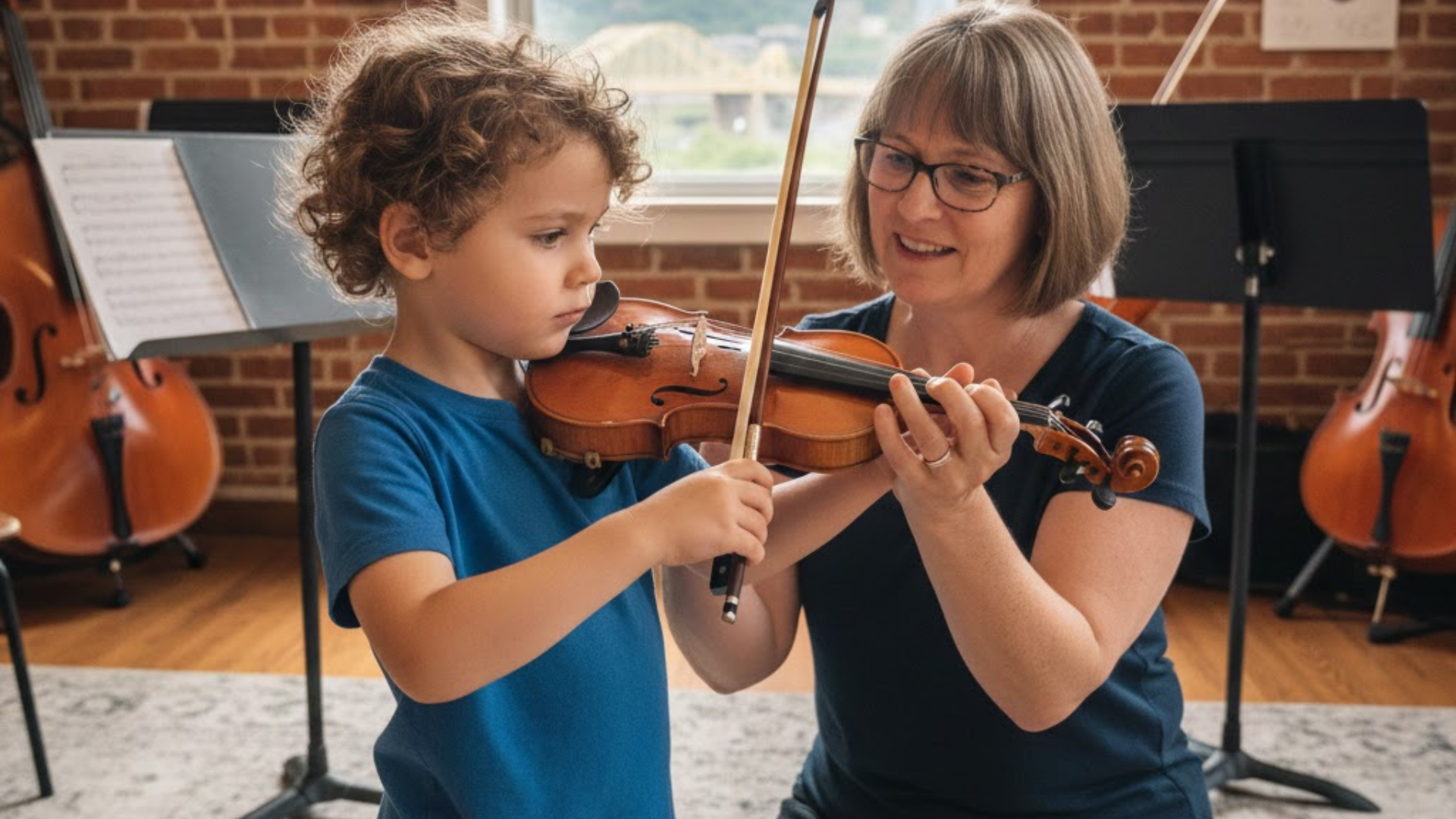
As music teachers, one of the most common questions we hear from parents is, “Is my child too young for violin lessons?” That question usually comes with a mix of excitement and hesitation. Parents want to nurture creativity, discipline, and confidence, but they also worry about attention span, finger strength, posture, and whether their child is truly ready. These concerns are valid, and they come up often in conversations with families exploring violin lessons Pittsburgh offers.
At Bee Sharp Music Studio, we have worked with families across Pittsburgh for many years, and one thing has become very clear. Children thrive at many different starting ages when lessons are introduced thoughtfully. The violin is a beautiful and expressive instrument, but it also requires coordination, listening skills, and patience. When the timing and approach are right, violin lessons can become a source of joy and growth rather than frustration.
Knowing when to start is not about hitting a perfect age. It is about readiness, guidance, and expectations. This guide walks parents through everything they need to know, from developmental signs to local considerations, so they can make a confident and informed decision about violin lessons Pittsburgh families trust.
At What Age Should A Child Start Violin Lessons?
Most children are ready to begin violin lessons between the ages of 4 and 7, depending on physical coordination, ability to follow instructions, and interest in music. Some children successfully start as early as age 3 through play-based programs, while others benefit from waiting until fine motor skills and attention span are more developed. Key indicators of readiness include the ability to hold a child-sized violin and bow comfortably, follow simple directions for 10 to 15 minutes, and show curiosity about sound and music.
Starting too early without the right structure can lead to frustration, while starting later is rarely a disadvantage. Many successful violinists began at age 7 or older and progressed quickly. The most important factors are quality instruction, parental support, and a teacher who understands child development. With patient, age-appropriate teaching, early experiences with violin lessons Pittsburgh students take can be positive, encouraging, and confidence-building.
Teaching Young Violinists In Pittsburgh
Here in Pittsburgh, families balance school schedules, sports, and enrichment activities. Violin lessons often become part of that mix, and how they are introduced makes a major difference. At Bee Sharp Music Studio, we teach children from neighborhoods all across the city, and we see consistent patterns in what works best.
Children thrive when lessons feel achievable and engaging, not overwhelming. We often compare learning violin to learning a new language. Some children absorb it early and naturally, while others need a bit more maturity before it clicks. Pittsburgh parents frequently ask whether they should wait one more year, and our answer is always the same. We evaluate the child, not the calendar. That personalized approach is what helps violin lessons Pittsburgh families choose lead to long-term success.
At What Age Should A Child Start Violin Lessons?
Children typically begin violin lessons around age 4 or 5, but readiness matters more than age alone. At this stage, many children can hold appropriately sized instruments, imitate rhythms, and participate in short structured activities. Some programs also offer pre-violin or early music classes that focus on rhythm, listening, and movement before formal instruction begins.
If a child struggles with attention, coordination, or following directions, waiting until age 6 or 7 can make the experience smoother and more enjoyable. A good instructor will assess posture, hand size, learning style, and temperament before recommending a start time. Families exploring violin lessons Pittsburgh studios provide should expect this kind of individualized evaluation.
Is The Violin Or Piano Better For A 4 Year Old?
Both violin and piano are excellent instruments, but they develop different skills. Piano is often considered more visually intuitive for very young beginners, since keys are laid out clearly and sound production is immediate. Violin, on the other hand, develops listening skills and body awareness earlier, but it requires more physical coordination and patience.
For a 4 year old, violin can be a great choice if lessons are play-based and expectations are age-appropriate. Games, movement, and listening activities are essential at this stage. Many families start with one instrument and transition later, and that is perfectly fine. When choosing between piano and violin lessons Pittsburgh parents should focus on the child’s personality, not trends or pressure.
What Age Should I Put My Child In Music Lessons?
Music education can begin as early as age 3 through general music classes that emphasize rhythm, singing, and movement. Formal instrument lessons usually begin between ages 4 and 7. The goal early on is not mastery. It is exposure, enjoyment, and confidence.
According to the National Association for Music Education, early music education supports cognitive development, language skills, and emotional growth in children. This is why starting music early, at the right level, often leads to stronger long-term engagement.
For families considering violin lessons Pittsburgh programs offer, early exposure paired with thoughtful instruction creates a strong foundation.
What Age Is A Grade 1 Violin For?
Grade 1 violin typically aligns with students who have had six to twelve months of consistent instruction, often between ages 6 and 8. However, age varies widely depending on practice habits, lesson quality, and learning pace.
Grades should never be rushed. Advancing too quickly can create gaps in technique, while steady progress builds confidence and musical understanding. In violin lessons Pittsburgh teachers emphasize mastery over speed, helping students build skills that support long-term success.
Signs Your Child Is Ready For Violin Lessons
Readiness is about more than age. Some signs that a child may be ready for violin lessons include the ability to focus for short periods, interest in music or instruments, willingness to practice with guidance, and comfort following simple instructions.
Children who enjoy listening to music, tapping rhythms, or pretending to play instruments often adapt well to violin lessons Pittsburgh families choose. Readiness also includes emotional factors, such as openness to feedback and resilience when learning something new.
Why Proper Sizing And Instruction Matter
Violins come in fractional sizes, and using the correct size is critical for comfort and injury prevention. A violin that is too large can strain the shoulders and arms, while one that is too small can limit proper technique.
Professional instruction ensures correct setup from the very beginning. Proper posture, bow hold, and hand position prevent bad habits that can be difficult to correct later. This is one of the biggest advantages of enrolling in violin lessons Pittsburgh studios with experienced teachers provide.
How Practice Expectations Change With Age
Practice expectations should always match a child’s developmental stage. Younger beginners may start with five to ten minutes a day, focusing on repetition and enjoyment. As students grow, practice time gradually increases, along with independence and responsibility.
In effective violin lessons Pittsburgh teachers emphasize quality over quantity. Short, focused practice sessions build consistency without burnout. Parents play an important role early on by creating a routine and offering encouragement rather than pressure.
The Role Of Parents In Early Violin Study
For young beginners, parental involvement is essential. Parents help with practice routines, instrument care, and emotional support. Over time, children become more independent, but early guidance sets the tone.
In violin lessons Pittsburgh families often discover that when parents understand expectations and feel supported, children progress more confidently. Good teachers communicate clearly with families and provide tools to make home practice positive.
Should Parents Get Quotes Before Starting Lessons?
Yes, and they should compare more than price. Getting quotes helps families understand lesson length, instructor experience, and curriculum structure. The lowest cost option is not always the best value, especially for young beginners who need patience and adaptability.
When comparing violin lessons Pittsburgh offers, parents should ask about teaching approach, communication, performance opportunities, and how progress is measured. Transparency builds trust and helps families choose the right fit.
Long-Term Benefits Of Starting At The Right Time
When violin lessons begin at the right moment, children gain more than musical skills. They develop discipline, listening ability, patience, and emotional expression. These benefits extend into academics and social development.
We see students who begin violin lessons Pittsburgh families thoughtfully choose become more confident learners overall. Music teaches children how to work through challenges and celebrate progress, skills that last well beyond the practice room.
Common Myths About Starting Violin Lessons
One common myth is that starting late means falling behind forever. In reality, older beginners often progress quickly due to stronger focus and coordination. Another myth is that violin is too difficult for young children. With the right approach, young students can succeed and enjoy the process.
Understanding these myths helps families make decisions based on facts rather than fear. Violin lessons Pittsburgh teachers provide are adaptable, supportive, and designed to meet children where they are.
Final Thought
There is no single perfect age to start violin lessons, only the right moment for your child. Readiness, guidance, and encouragement matter far more than the calendar. When children begin with realistic expectations and supportive instruction, violin lessons become a joyful and enriching part of their lives.
As teachers who work closely with families, we have seen how thoughtful timing shapes long-term success. With patience and the right support, violin lessons Pittsburgh students experience can build confidence, creativity, and a lifelong connection to music.
Call today to schedule a consultation or learn more. No pressure, just honest guidance from teachers who care.
Follow our social media pages below: